How Reviews Help You Find the Best Drunken Noodle Near Me
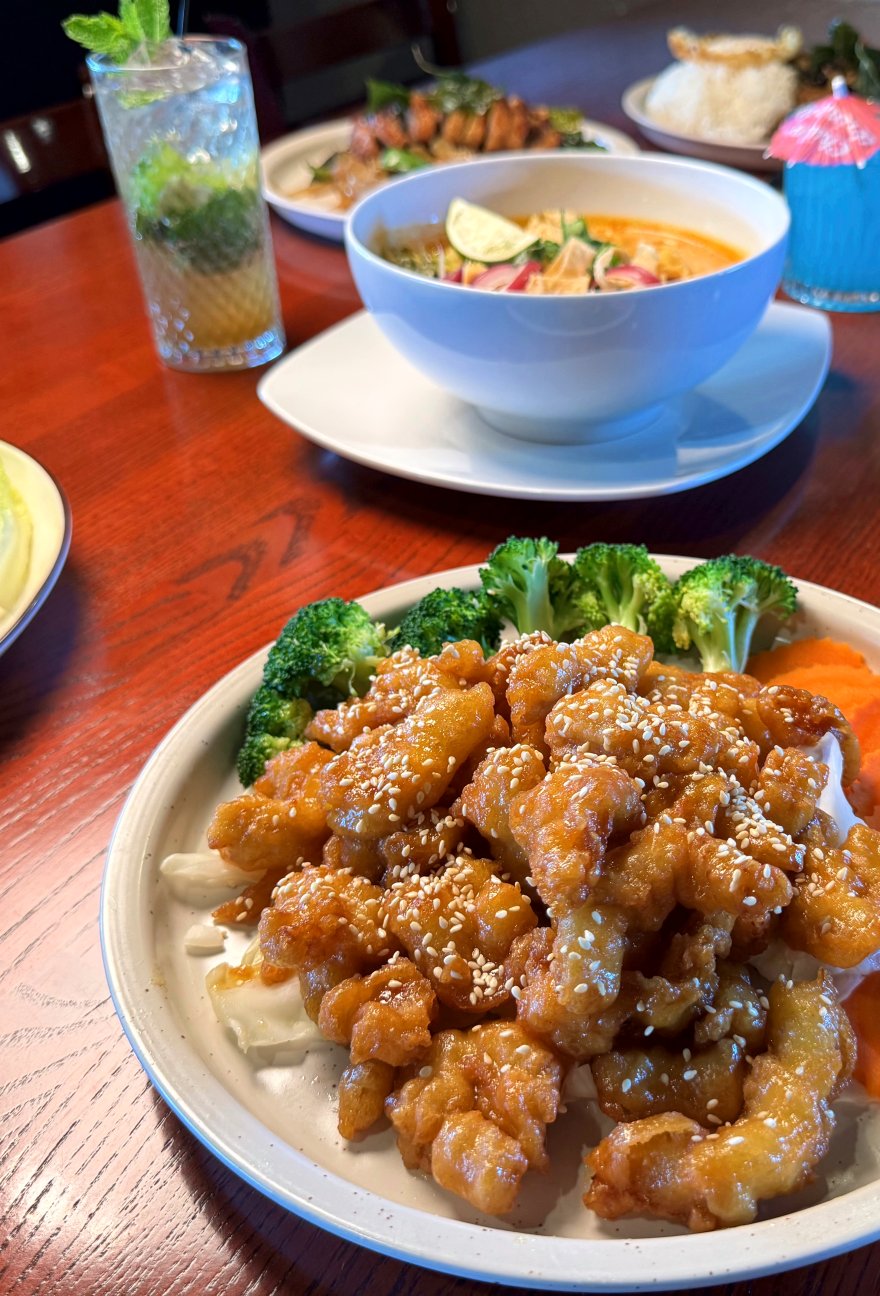
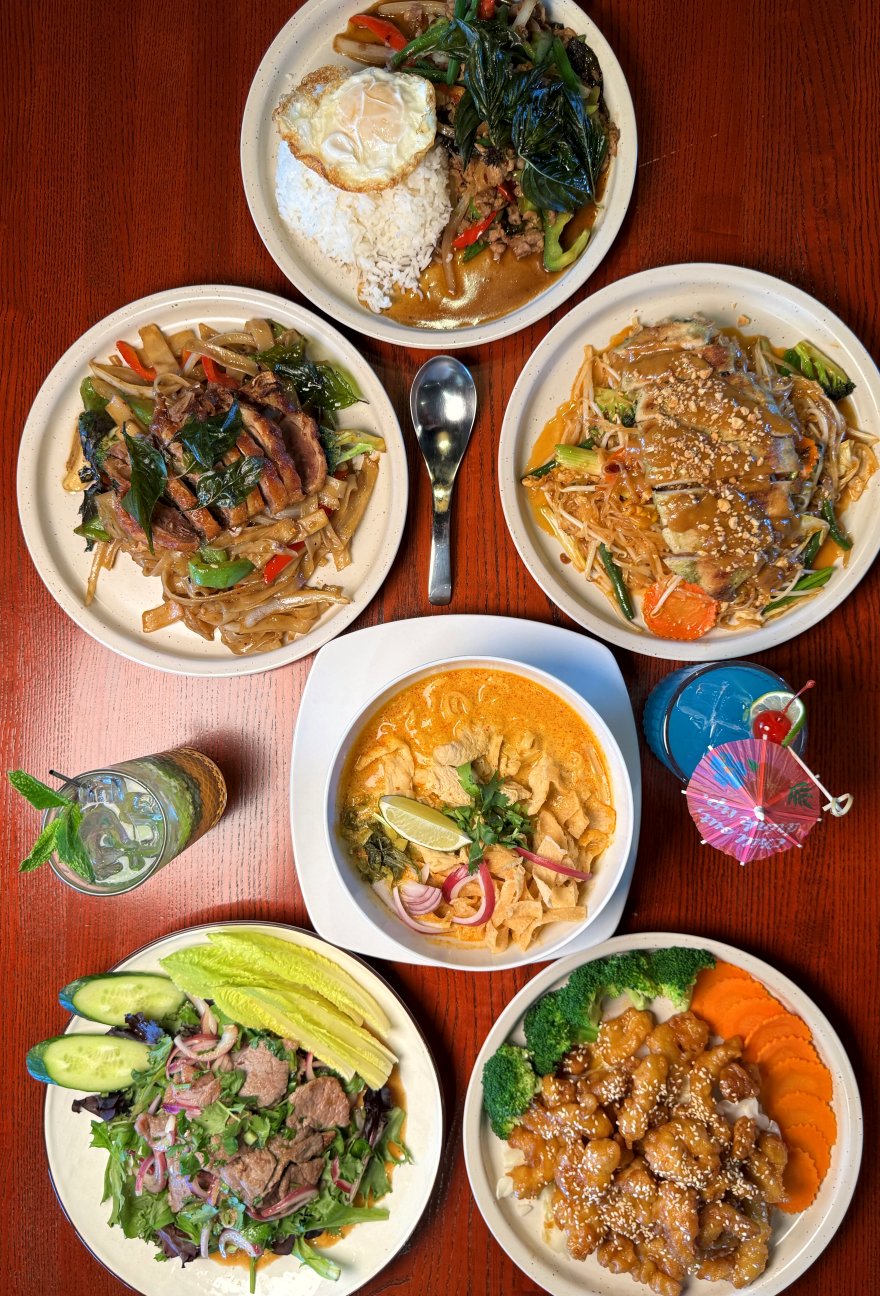
A good plate of Drunken Noodle can rescue an ordinary weeknight. It arrives glossy and hot, with broad rice noodles that carry sauce rather than merely wear it, basil that still smells alive, and enough heat to wake up your palate without flattening everything else on the plate. When it is done well, the dish tastes balanced, not busy. Sweet, salty, savory, spicy, and fragrant all show up in the right order.
That also makes it one of the easiest Thai dishes to get wrong.
Anyone searching for Drunken Noodles Near Me has probably learned this the hard way. One restaurant sends out noodles broken into short, clumped pieces with bell peppers that dominate the plate. Another leans so hard on sugar that the sauce tastes closer to bottled stir fry glaze than a proper wok-fired noodle dish. A third gets the heat right but skimps on basil, which strips away the aroma that gives Drunken Noodle much of its identity.
This is where reviews become useful, not as a popularity contest, but as a filter. A star rating alone rarely tells you enough. The real value sits inside the comments, the recurring details, and the patterns that repeat across dozens of customer experiences. If you know what to look for, reviews can help you separate a merely convenient meal from a restaurant that understands the dish.
Why Drunken Noodle is harder to judge from a menu than people expect
Menus flatten differences. Almost every Thai restaurant lists some variation of Drunken Noodle, often under names like Pad Kee Mao, spicy basil noodles, or house drunken noodles. On paper, these listings can sound nearly identical. Wide rice noodles, vegetables, basil, chili, protein choice. That tells you the skeleton of the dish, but not whether the kitchen knows how to build muscle around it.
A menu will not tell you if the noodles are cooked to that slippery, slightly chewy point where they remain distinct instead of sticking into a heavy slab. It will not tell you whether the sauce tastes layered or one-note. It will not tell you if the cook uses enough garlic, whether the vegetables are cut for quick stir-frying rather than steaming, or whether the basil gets added at the right moment so it perfumes the dish instead of turning black and tired.
Reviews fill in those blanks. A person who has ordered from the same place three times can describe consistency in a way no menu can. A diner who compares one Thai spot to two others nearby can tell you whether one kitchen excels at heat balance while another does better with noodle texture. Taken together, those observations create a picture of the food that is far more useful than the ingredient list.
The difference between high ratings and helpful reviews
A restaurant can carry a 4.6 rating and still serve mediocre Drunken Noodle. That sounds harsh, but ratings are broad instruments. They often reflect speed, friendliness, parking, cleanliness, and delivery accuracy as much as food quality. Those things matter, of course, but if your goal is finding the best Drunken Noodles Near Me, then you need detail, not just approval.
The most useful reviews mention specifics. They tell you whether the noodles were smoky from the wok, whether the spice level matched the order, whether the chicken stayed juicy, whether the shrimp were overcooked, whether the sauce was too sweet, or whether the dish held up during delivery. One precise paragraph from a thoughtful reviewer often has more value than fifty generic five-star posts that say only “great food” or “love this place.”
I pay particular attention when several reviewers independently mention the same trait. If five people over a two-month stretch say the noodles are always fresh and never oily, that is meaningful. If one person says the portion is tiny and nine others say it is generous, that lone complaint may reflect an unusual off-night. Reviews become useful when you read them as a body of evidence rather than isolated reactions.
What experienced diners look for in Drunken Noodle reviews
People who order Thai food often can tell when a reviewer actually understands the dish. You see it in the language. They describe basil aroma, the char from the wok, the width of the noodles, and whether the sauce clings or pools. They notice whether the spice level builds gradually or attacks immediately and then disappears into raw heat.
Those details matter because Drunken Noodle is not supposed to rely on brute force. Heat is part of the dish, but not the whole story. The best versions carry a little smokiness, a little sweetness, a savory backbone, and that distinct herbal lift from basil. A review that says “super spicy” tells you almost nothing. A review that says “hot enough to make me slow down, but the basil and garlic still came through” tells you the kitchen may understand balance.
There is also a practical side. Reviews can reveal whether the restaurant packs the noodles properly for takeout. This dish is especially vulnerable to steam buildup. If the container traps too much moisture, the noodles soften and the vegetables lose their bite before you get home. Good reviewers mention whether the dish survived a 20-minute drive, whether the sauce settled at the bottom, or whether reheating ruined the texture. For a lot of diners, that is the difference between a reliable favorite and a place you only visit if you can eat immediately.
The clues hidden in repeated complaints
Negative reviews are often more useful than positive ones, provided you read them carefully. Some complaints reflect personal preference. A person who orders mild and then complains that the dish lacks heat may simply not know what they want. But certain criticisms should make you pause, especially when they repeat.
Here are the review patterns worth taking seriously:
- noodles described as mushy, clumped, or broken
- sauce called overly sweet, greasy, or watery
- multiple comments about missing basil or weak flavor
- repeated mention that spice levels are inconsistent
- several reviewers saying dine-in is good but delivery arrives soggy
Those points matter because they touch the structure of the dish, not just the mood of the customer. If reviewers complain about mushy noodles across lunch, dinner, dine-in, and takeout, the problem is likely in the cooking method, not a one-off mistake. If many people mention that the restaurant ignores requested spice levels, you cannot confidently order based on your own tolerance.
One pattern I have seen often is the place that earns high marks overall but stumbles specifically on noodle dishes during busy hours. The kitchen may handle curries well, but wok work demands speed and control. Reviews posted on Friday and Saturday nights can reveal whether the restaurant manages volume without sacrificing texture. If comments say the Drunken Noodle is excellent at 2 p.m. And sloppy at 7:30 p.m., that is important intelligence.
Reading for food knowledge, not just enthusiasm
Not every reviewer is equally helpful. Some bring a clear sense of what the dish should be. Others are simply thrilled to have eaten something spicy after a long day. There is nothing wrong with enthusiasm, but when you are trying to identify the best Drunken Noodle, you need reviewers who notice more than comfort and quantity.
A strong reviewer usually does three things. First, they compare rather than gush. They might say this restaurant’s noodles are less sweet than a nearby competitor, or that the basil is fresher than at the place down the street. Second, they describe texture, which is crucial for any stir-fried noodle dish. Third, they distinguish kitchen style from personal taste. Saying “I prefer more heat, but the flavor was balanced” is much more helpful than “not spicy enough, one star.”
It also helps when reviewers mention whether they ordered the dish with chicken, beef, tofu, or shrimp. Protein changes the outcome more than many people realize. Chicken can dry out quickly in a hot wok. Beef can turn chewy if sliced too thick. Tofu can either absorb sauce beautifully or collapse into wet cubes. Shrimp can overcook in less than a minute. If a restaurant consistently gets one version right but struggles with another, reviews will often reveal that.
Fresh reviews matter more than old praise
A Thai restaurant can change quickly. Chefs leave. Supply chains shift. A new owner adjusts recipes. Portion sizes shrink. Basil quality dips in https://simonespw578.huicopper.com/best-drunken-noodles-near-me-for-weekend-takeout one season and rebounds in another. Reviews from eighteen months ago may describe a place that no longer exists in the same form.
When searching Drunken Noodles Near Me, give greater weight to recent comments, especially those from the past two or three months. That does not mean older reviews are useless. They help establish a baseline. But fresh reviews tell you whether standards are holding.
This is especially important for dishes like Drunken Noodle, where consistency depends on execution. A curry can remain fairly stable even when made by different cooks following a house formula. A wok-fried noodle dish exposes variation immediately. Heat management, timing, and pan control all show up on the plate. If newer reviews say the dish has become sweeter, oilier, or less spicy, assume the kitchen has changed unless later reviews suggest a correction.
I have also found that restaurants sometimes tighten up after a rough patch. A run of weak reviews is not always the end of the story. If newer comments specifically mention improvement, such as “used to be too salty, but the last two orders were excellent,” that is worth noting. Reviews are most powerful when they show motion, not just a snapshot.
Delivery reviews and dine-in reviews are telling different stories
This is one of the biggest mistakes people make. They read glowing dine-in reviews, order delivery from fifteen minutes away, and wonder why the noodles arrive limp. Stir-fried noodles are not static food. They continue to steam in the container, and that changes texture fast.
If you plan to order in, prioritize reviews that mention takeout or delivery. Drunken Noodle that shines in the dining room may lose definition by the time it reaches your table at home. Broad rice noodles are especially vulnerable because they trap heat and moisture. A sauce that felt balanced when tossed fresh can taste heavy after sitting in transit.
The same goes for spice perception. Heat tends to settle and deepen as a dish rests, while the bright aroma of basil softens. Some delivery reviews will mention that a medium spice order felt hotter after ten minutes in the container, or that the basil flavor faded. Those are not minor details. They help you decide whether to adjust your order, perhaps asking for slightly less sauce, extra basil if the restaurant offers it, or a spice level one notch lower than you would choose in person.
The best restaurants account for this naturally. They undercook vegetables just enough to survive transit, vent containers properly, and avoid flooding the noodles with sauce. You will often see it in reviews before you ever taste it yourself.
How to separate authenticity talk from useful guidance
The word “authentic” appears everywhere in restaurant reviews, and it often creates more heat than light. One reviewer uses it to praise aggressive spice. Another uses it to mean the dish included Thai basil. Someone else applies it simply because the owners are Thai. None of these comments necessarily tells you whether the Drunken Noodle is excellent.
A more useful question is whether the dish is coherent and well executed. Does it have the expected basil aroma? Are the noodles stir-fried rather than merely sauced? Is the heat integrated into the dish or sprinkled on top as punishment? Does the flavor taste intentional?
Reviews that focus on those practical qualities are more reliable than vague declarations of authenticity. Regional differences, house styles, and customer preferences can all shape the final plate. A restaurant may produce a slightly sweeter Drunken Noodle than another and still make it beautifully. Another may push the chilies harder while keeping the noodles dry and distinct. Good reviews help you understand style, not just stamp the dish with a loaded label.
Using reviews to match the dish to your preferences
The best restaurant in general is not always the best restaurant for you. Reviews help most when they narrow the field according to what matters to your own palate.
If you love strong heat, look for comments from people who mention ordering Thai hot or a comparable spice level. If you care more about wok char and noodle texture, search review text for words like smoky, charred, chewy, springy, or fresh. If you usually order tofu, ignore praise centered on beef or shrimp and focus on whether plant-based orders still come out flavorful and structured.
This matters because Drunken Noodle lives at the intersection of technique and preference. One person wants extra chilies and no compromise. Another wants basil-forward fragrance with moderate heat. A third wants a big portion that reheats well the next day. Reviews let you identify which restaurant aligns with your priorities instead of chasing the broadest consensus.
A useful way to think about it is that reviews do not identify a universal winner. They help you find the right fit within your own radius, budget, and tolerance for variation.
A practical way to use review platforms without wasting an hour
Most people have no interest in reading eighty reviews before dinner. Fair enough. You do not need to. A short, disciplined scan usually reveals enough.
Use this sequence:
- Start with the most recent reviews, not the top-rated ones.
- Search within reviews for “Drunken Noodle,” “Pad Kee Mao,” or “basil noodles.”
- Read both five-star and three-star comments for specific details.
- Check whether complaints repeat across several reviewers.
- Compare delivery comments separately from dine-in comments.
That process usually takes ten minutes. In exchange, you avoid the two classic mistakes: trusting a high overall score without reading, and overreacting to one angry review that may have nothing to do with the dish you want.
Three-star reviews are often the sweet spot. People who leave them tend to be more measured. They liked some things, disliked others, and often explain why. A five-star review may glow without detail. A one-star review may be about parking, a delayed driver, or an argument at the counter. The middle reviews frequently contain the clearest food observations.
The local advantage, and why “near me” still needs judgment
The phrase Drunken Noodles Near Me sounds simple, but proximity can distort decision-making. The nearest option often wins by default, particularly on a tired evening. Reviews help correct for that. They tell you whether the place six minutes farther away is meaningfully better, or whether your closest restaurant is good enough to become a regular.
That trade-off matters more with noodle dishes than with many other takeout options. A superior restaurant located twenty-five minutes away may produce a less satisfying delivered dish than a very good restaurant ten minutes away, simply because texture suffers in transit. Reviews can help you decide whether extra travel time is worth it.
I have seen this play out repeatedly in dense neighborhoods where several Thai restaurants sit within a small radius. The top-rated place may excel in-house, while the second-best option packs takeout more intelligently and delivers a better experience at home. Without reviews, you would not know that distinction. With them, you can choose according to the moment.
Signs that reviews point to a truly dependable Drunken Noodle
At a certain point, patterns become persuasive. You stop looking for perfection and start looking for reliability. The best restaurant is often the one that repeatedly delivers a very good bowl or plate, rather than the one that dazzled a handful of reviewers once.
Dependable reviews usually paint a consistent picture. They mention fresh basil, proper noodle texture, balanced sauce, and predictable spice execution. They suggest the dish tastes like the work of a kitchen with standards, not luck. You also want to see comments spread across time, not clustered in a single week. A sustained reputation means more than a brief hot streak.
Portion comments can be helpful too, though they should be read in context. A huge serving is not a virtue if the noodles are oily and heavy. A slightly smaller portion may be perfectly fair if the ingredients are fresh, the wok work is sharp, and the protein is handled with care. Again, reviews with specifics win. “Portion looked modest but easily fed two with an appetizer” tells you far more than “too small.”
When to trust your own trial order over the review consensus
Reviews are tools, not laws. Sometimes the smart move is to place a cautious first order and judge for yourself. This is especially true when a restaurant has mixed feedback but the criticism centers on personal preference rather than clear technical faults.
If the comments divide over sweetness or spice, you may still love the dish. If they divide over mushy noodles or missing basil, be more wary. Technical flaws travel across preferences. Style preferences do not.
A good first order is usually a moderate risk. Order the Drunken Noodle with the protein you prefer most, choose a spice level you can comfortably handle, and if possible pair it with one other item that reveals the kitchen’s touch, perhaps a basil stir-fry or a simple fried rice. That gives you a sense of whether the restaurant runs a careful wok station or leans on sauce to cover weak execution.
Reviews narrow the field. Your own order finishes the job.
What reviews really do for the diner
At their best, reviews save you from disappointment and help you spend your money with more confidence. They do not guarantee your perfect plate, but they dramatically improve your odds. They expose consistency, reveal delivery weaknesses, highlight style differences, and surface the details that menus never mention.
For a dish as sensitive to timing and balance as Drunken Noodle, that information is especially valuable. A strong review tells you whether the noodles retain their bite, whether the basil survives the wok, whether the heat has purpose, and whether the restaurant can repeat that performance on a busy night. Those are not small distinctions. They are the difference between a dish you finish out of hunger and one you remember the next day.
So the next time you search for Drunken Noodles Near Me, do not stop at the star rating. Read for texture. Read for balance. Read for recurring patterns. The right reviews will tell you where the real Drunken Noodle is hiding, often in plain sight, just a few blocks from the places you were about to settle for.
Nakhon Luang Thai Kitchen
Address: 805 Village Center Dr, Colorado Springs, CO 80919
Phone number: +17195315175
FAQ About Drunken Noodles Near Me
What makes it drunken noodles?
Drunken noodles, or Pad Kee Mao, get their name from the Thai word khi mao (meaning "drunkard"). They contain no alcohol. The name comes from the idea that the dish is a popular late-night meal to cure a hangover or a great food to eat with a cold beer.
What is the difference between pad see ew and drunken noodles?
While both Pad See Ew and Drunken Noodles use the same wide rice noodles, Pad See Ew is a mild, sweet-savory dish made with dark soy sauce and Chinese broccoli, whereas Drunken Noodles (Pad Kee Mao) are fiery, garlicky, and herbaceous with fresh chilies and Thai basil.
What are traditional drunken noodles?
Traditional drunken noodles, known as Pad Kee Mao in Thai, are a fiery, savory street food stir-fry made with wide flat rice noodles, fresh garlic, lots of hot chilies, meat or tofu, and fragrant holy basil. Despite the name, they contain no alcohol; the dish is traditionally eaten late at night or as a hangover cure because the intense spice helps clear the head.